
The dark side of cryptocurrencies: understanding of liquidity crisis
As the popularity of cryptocurrencies continues to grow, concerns are growing at their stability and potential risks. One critical aspect that led to disputes is the liquidity crisis in the cryptocurrency market. In this article, we will go into the liquidity crisis, its impact on markets, and why it becomes a topical problem for the whole industry.
What is the liquidity crisis?
The liquidity crisis occurs when there is not enough trading activity or sufficient purchasing power to meet the demand for buyers and sellers in the market. This can occur for a variety of reasons, such as reduced investor interest rates, regulatory obstacles, or increased security measures that make it difficult to buy and sell assets.
In the context of cryptocurrencies, the liquidity crisis refers to a situation where there are fewer buyers than sellers, which results in reduced market prices. This can have significant consequences for investors who have cryptocurrency on reserve (borrowing money for trade).
Causes of liquidity crisis
Several factors contribute to liquidity crisis:
1
Reduced interest of investors : As the value of cryptocurrencies such as Bitcoin and Ethereum decreases, fewer people want or can buy them.
- regulatory obstacles : New regulatory requirements can make investors trade in cryptocurrencies, resulting in a reduction in operations.
3
Increased security measures : Terms of strict lending policies and increased money laundering (AML) can discourage investors from buying and selling assets.
The impact of liquidity crisis on markets
The liquidity crisis can have far -reaching consequences for the cryptocurrency market:
- Market Visibility : Reduced trade activity can lead to higher prices and reduced market stability.
- Increased transaction costs : Less buyers mean that traders have to pay more for buying or selling their assets by increasing costs.
3
Reduced investor confidence
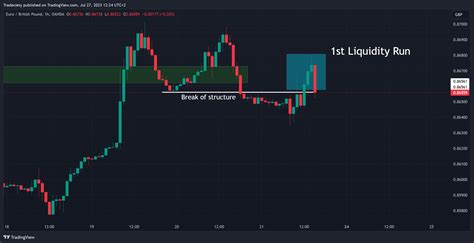
: The liquidity crisis can reduce confidence in the market, forcing investors to re -evaluate their investment decisions.
Liquidity crisis examples
Several significant examples have emphasized the risks associated with liquidity crises:
1
2017 Bitcoin Correction : Bitcoin price from December 2017 to January 2018 decreased by almost 50%due to a reduced investor interest and increased regulatory test.
- Ethereum’s June 2020 liquidity crisis : A sharp drop in Ethereum prices and trade led to concerns about market stability.
How can investors reduce risks?
While the liquidity crisis is linked to the liquidity crisis, investors can take measures to reduce its risks:
1
Diversify your portfolio : Spread investment in several cryptocurrencies to reduce exposure to one asset.
- Robbate your bets : Consider using suspension orders or other risk limit methods to limit possible losses.
3
Stay informed : Follow market news and regulatory changes that can affect liquidity.
Conclusion
The liquidity crisis is a topical problem for the cryptocurrency industry with far -reaching consequences for investors and traders. As investors’ interest in cryptocurrencies continues to grow, it is important to stay alert and prepared for possible problems. Understanding the causes and consequences of liquidity crisis, investors can take measures to reduce risks and orientate in cryptocurrency in the complex world.
suggestions
* Stay informed
: Continuous monitor market news and regulatory development.
* Diversify your portfolio : Spread investment in several cryptocurrencies.
* Robrit rates : Consider using suspension orders or other risk limit methods.