
The World of Cryptocurrencies and Finance: Exploring Key Concepts
The world of finance has undergone a significant transformation in recent years, with the advent of new technologies and investment opportunities. At the heart of this revolution are cryptocurrencies, peer-to-peer trading, fiat currency, and isolated margin. In this article, we will look at each of these concepts, their importance, and how they contribute to the changing financial landscape.
Cryptocurrency
Cryptocurrencies are digital or virtual currencies that use cryptography for security and are decentralized, meaning they are not controlled by any government or financial institution. The first cryptocurrency, Bitcoin, was introduced in 2009 and has since gained popularity around the world. Other well-known cryptocurrencies include Ethereum, Litecoin, and Monero.
Cryptocurrencies operate on a peer-to-peer network, allowing users to send and receive payments without relying on intermediaries such as banks. Transactions are recorded on a public ledger called a blockchain, which ensures the integrity and security of transactions.
Peer-to-Peer Trading
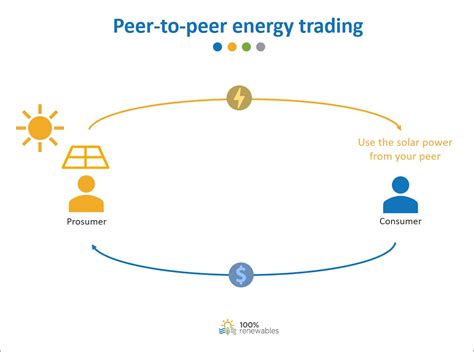
Peer-to-peer trading refers to the process of buying and selling financial assets directly between two parties, bypassing traditional investment platforms and banks. This model has gained popularity in recent years due to its potential for greater transparency, flexibility, and lower fees.
With peer-to-peer trading, participants can buy and sell assets such as stocks, commodities, and cryptocurrencies without using intermediaries such as brokers or exchanges. Benefits of this model include faster turnaround times, reduced costs, and increased availability.
Fiat Currency
Fiat money is a type of currency whose value is based on government regulation rather than intrinsic value. Fiat currencies are issued by central banks and governments as a medium of exchange, reserve asset, and store of value. Examples of fiat currencies include the US dollar, euro, yen, and pound sterling.
The use of fiat currency is supported by laws and regulations that specify its value and availability. Central banks can print more money to inflate the supply of their currency, but they must do so in a controlled manner to avoid inflation or deflation.
Isolated Margin
Isolated margin refers to a type of margin trading that involves using separate accounts to buy and sell assets without being linked to a traditional brokerage firm account. This allows individuals to manage multiple transactions simultaneously without relying on a bank’s system, which can be more complex and error-prone.
In isolated margin trading, participants create two separate accounts: one for buying and one for selling assets. Funds from one account are used to purchase assets in the other account, while the other account is used to sell or hold cash. This model offers greater flexibility and control over transactions, but also increases risk due to the need to manage multiple accounts.
Advantages of Each Concept
Each of these concepts offers unique advantages and benefits:
- Cryptocurrencies offer a decentralized and secure way to invest in assets with the potential for high returns.
- Peer-to-peer trading allows individuals to buy and sell financial assets directly with each other, bypassing traditional investment platforms.
*Fiat currency provides a widely accepted and stable store of value, while isolated margin provides greater control and flexibility over transactions.
- Cryptocurrencies and peer-to-peer trading offer opportunities for investors who are willing to take calculated risks.
Challenges and Risks
While these concepts have the potential to revolutionize finance, they also bring with them significant challenges and risks:
- Cryptocurrency prices can be volatile, leading to rapid price fluctuations and potential losses.