
Here is an article about how block synchronization works in Bitcoin Core today:
Ethereum: How does block synchronization work in Bitcoin Core today?
If a Bitcoin node connects to the network, he has to synchronize his blockchain with his colleagues. This process is important to maintain the integrity and accuracy of the blockchain and ensure that all nodes have access to the same information. In this article we will examine how block synchronization works in Bitcoin Core today.
What is block synchronization?
Block synchronization includes the coordination of several nodes in order to agree on the current status of the blockchain. It is a critical process that prevents a single knot from changing or manipulating the data, which ensures the safety and stability of the network.
How synchronizes Bitcoin core blocks?
Bitcoin Core uses a combination of peer-to-peer communication and consensus salgorithms to synchronize blocks with their colleagues. Here is a step-by-step declaration of the process:
- knot communication
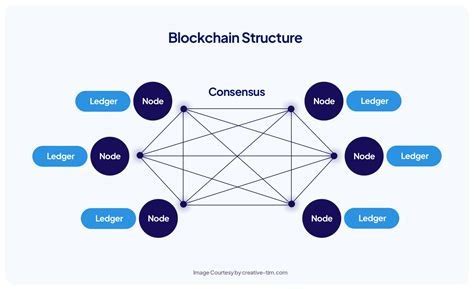
: If a node establishes a connection with the network, a connection with other nodes is established via a protocol called “Blocktime”. In this way, nodes can exchange information about their block headline.
- Block header exchange : knots share their current block header, which contain metadata such as the previous number of hash, block size and transaction.
- Synchronization algorithm : The synchronized node uses a consensus algorithm like Poisson synchronization or DPO (distributed Poisson synchronization) to agree on the current status of the blockchain.
- Block verification : As soon as all nodes have agreed on the new block header, the synchronized node checks the block by checking its metadata and ensuring that it corresponds to the rules described in the Bitcoin protocol.
Poisson synchronization algorithm
The Poisson synchronization algorithm is a popular choice for high-performance synchronization between nodes. It is based on the idea of distributing data evenly over several nodes and preventing a single knot from dominating the network.
This is how it works:
- Knot identification : Each knot identifies himself and shares its clear identification with other knots.
- Data distribution : The identified knots distribute your block head line with a random walk algorithm.
- Synchronization : The synchronized node receives data from his colleagues, updates his internal state and synchronizes with the rest of the network.
DPO (distributed Poisson synchronization)
DPO is another consensus salgorithm that is widespread in Bitcoin core. It is based on a similar idea to Poisson synchronization, but uses a different distribution algorithm to achieve higher performance.
This is how DPO works:
- Knot identification : Each knot identifies himself and shares its clear identification with other knots.
- Data distribution : The identified nodes distribute your block head line with a random walk algorithm, which ensures that the data is evenly distributed over several nodes.
- Synchronization : The synchronized node receives data from his colleagues, updates his internal state and synchronizes with the rest of the network.
Advantages of block synchronization
The synchronization process in Bitcoin core has several advantages:
* improved network stability
: By ensuring that all nodes access the same information, block synchronization prevents a single knot from changing or manipulating the data.
* Extended security : The use of consensus salgorithms such as Poisson and DPO helps to maintain the safety of the network by preventing malignant actors from affecting the blockchain.